👤 User Avatars
You can now add avatars for users in Vemetric, making it easier to identify them.
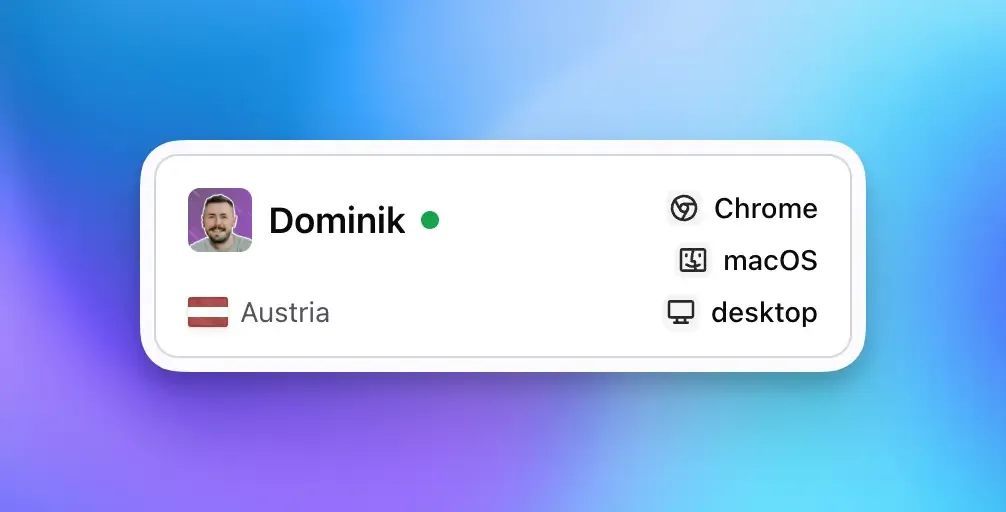
Checkout the documentation of the SDKs to learn how to set avatars for your users.
See the latest product updates for Vemetric.
You can now add avatars for users in Vemetric, making it easier to identify them.
Checkout the documentation of the SDKs to learn how to set avatars for your users.
We’ve added a new Country World Map to the Vemetric Dashboard, for better visualization of your website traffic by country.
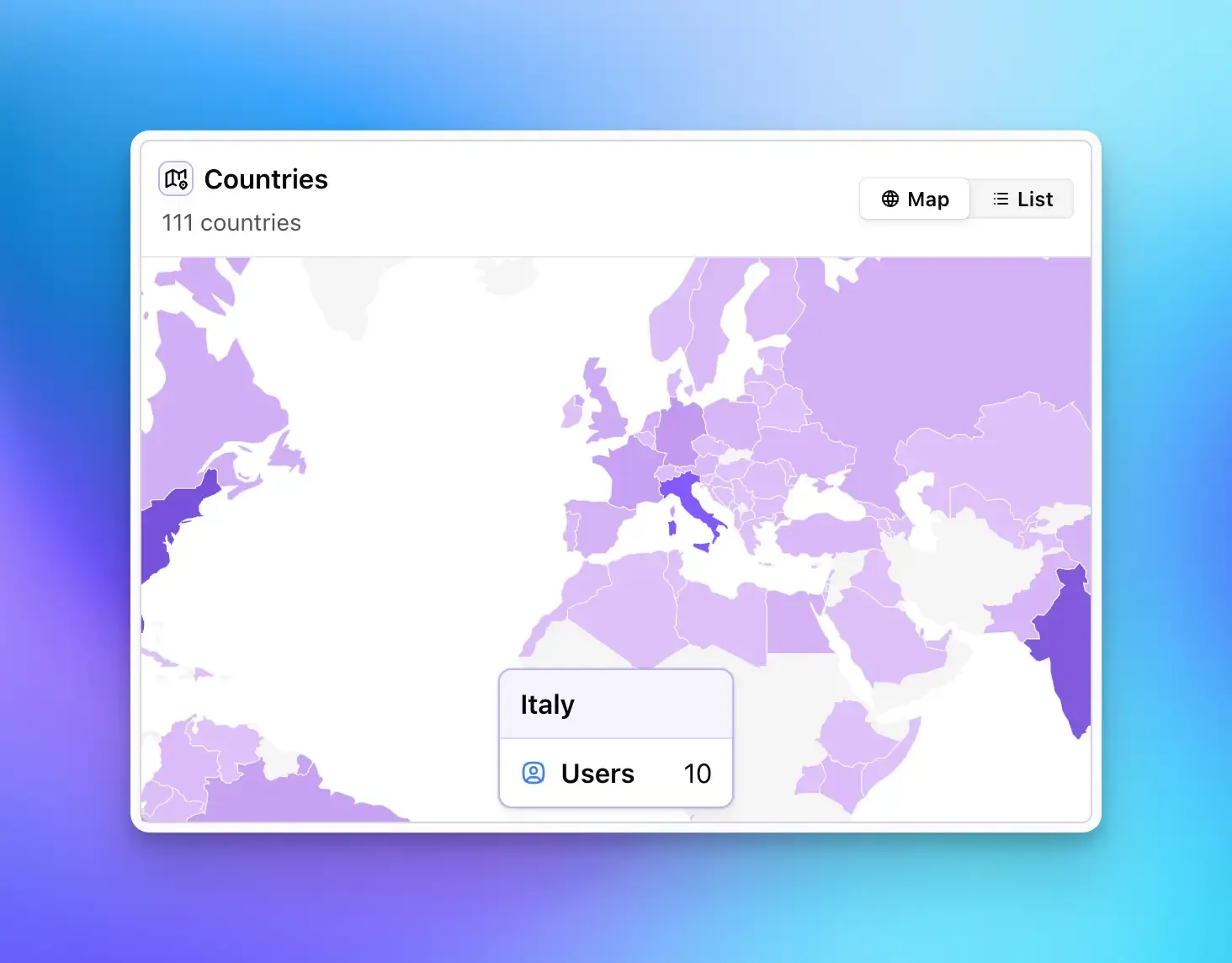
The world map is interactive, click on a country to filter the dashboard data by that specific country.
We’ve launched a free & open-source Favicon API! 🥳
Get favicons from any website with a simple GET request - completely free and easy to self-host.
https://favicon.vemetric.com/github.com
Check out the full documentation and try it out!
We’ve improved our Next.js integration documentation to cover all the different options.
The updated guide now includes:
instrumentation-client.tsWe’re excited to announce that Vemetric is participating in Hacktoberfest 2025! We’ve been working hard to make contributing to our platform easier than ever.
Check out our Hacktoberfest blog post for the complete guide on how to contribute, or jump straight to our GitHub issues and pick a task.
You can now sign in to Vemetric using your Google or GitHub account!
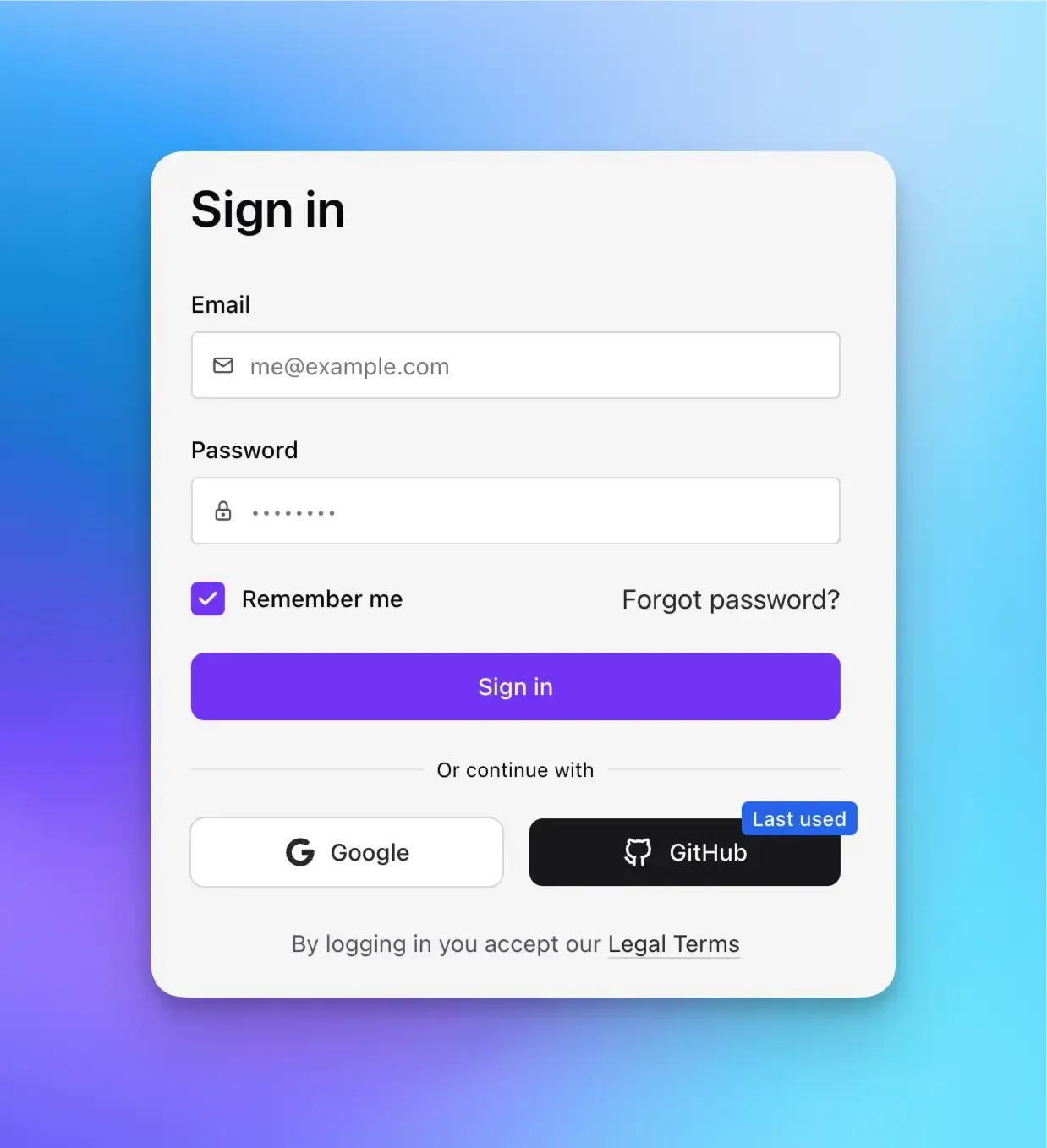
We also added a “Last used” indicator on the login page to help you quickly identify which login method you used last time.
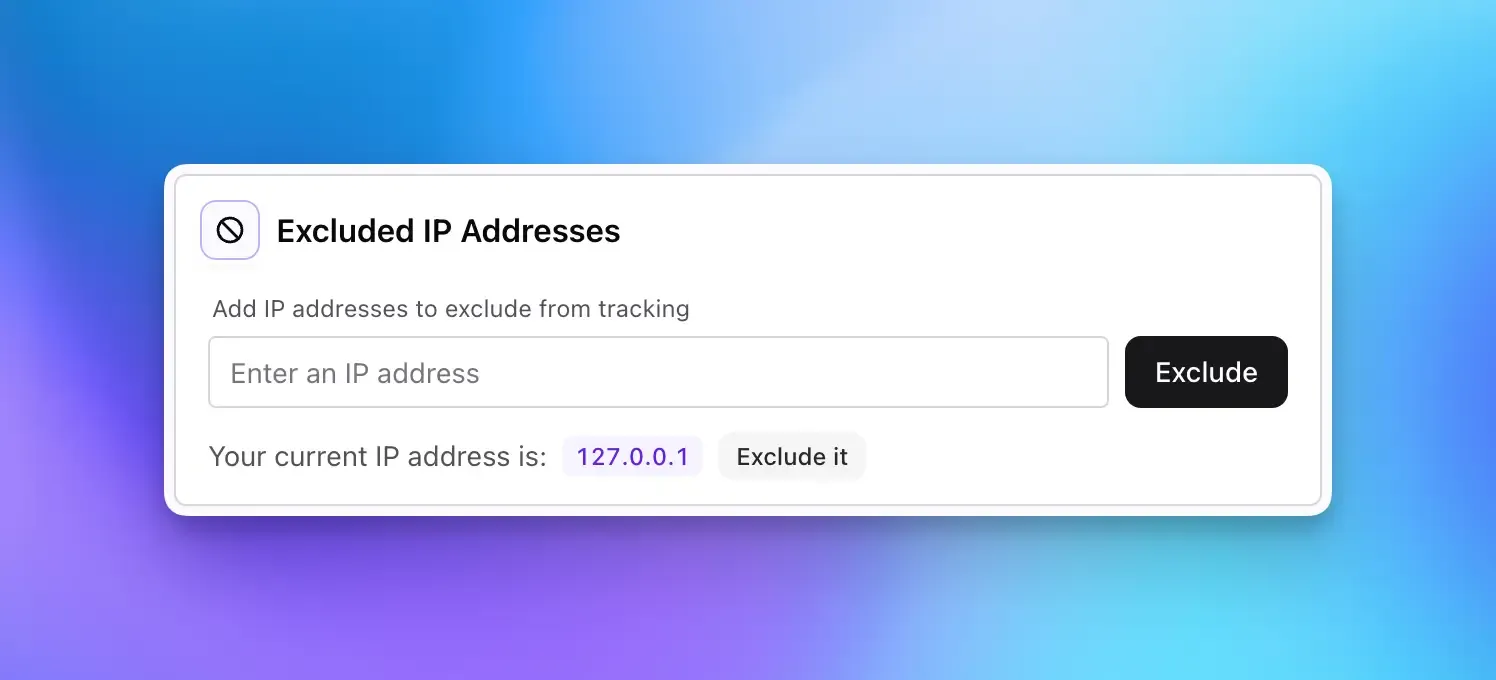
On the settings page of a project, you can now exclude specific IP addresses from being tracked in your analytics. This is especially useful to e.g. filter out internal traffic from your IP address.
Long awaited, it’s now finally possible to select a custom date range for viewing your analytics on the Dashboard. 🥳
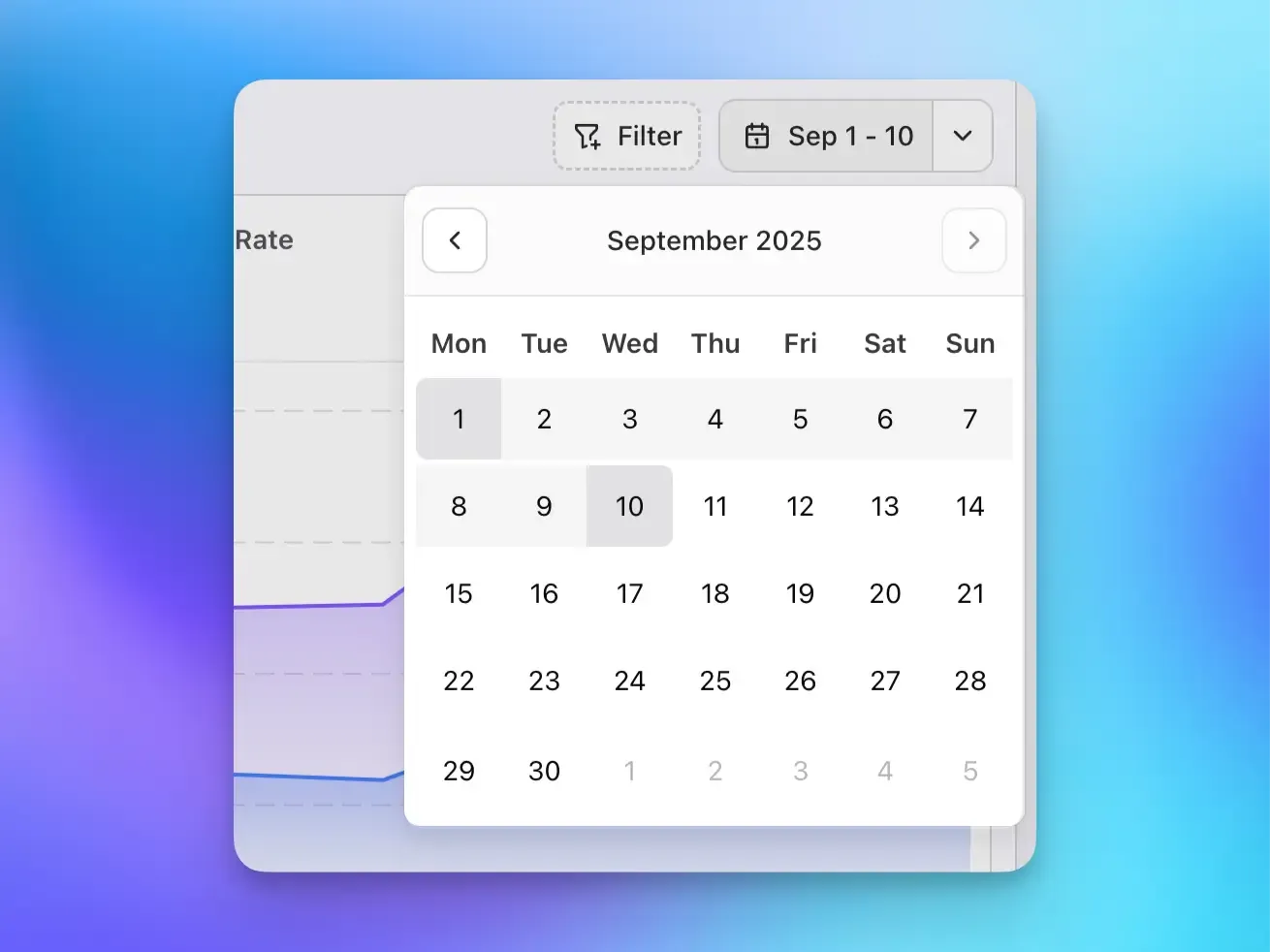
Also on the results on the Funnels pages can now be viewed for a specific date range.
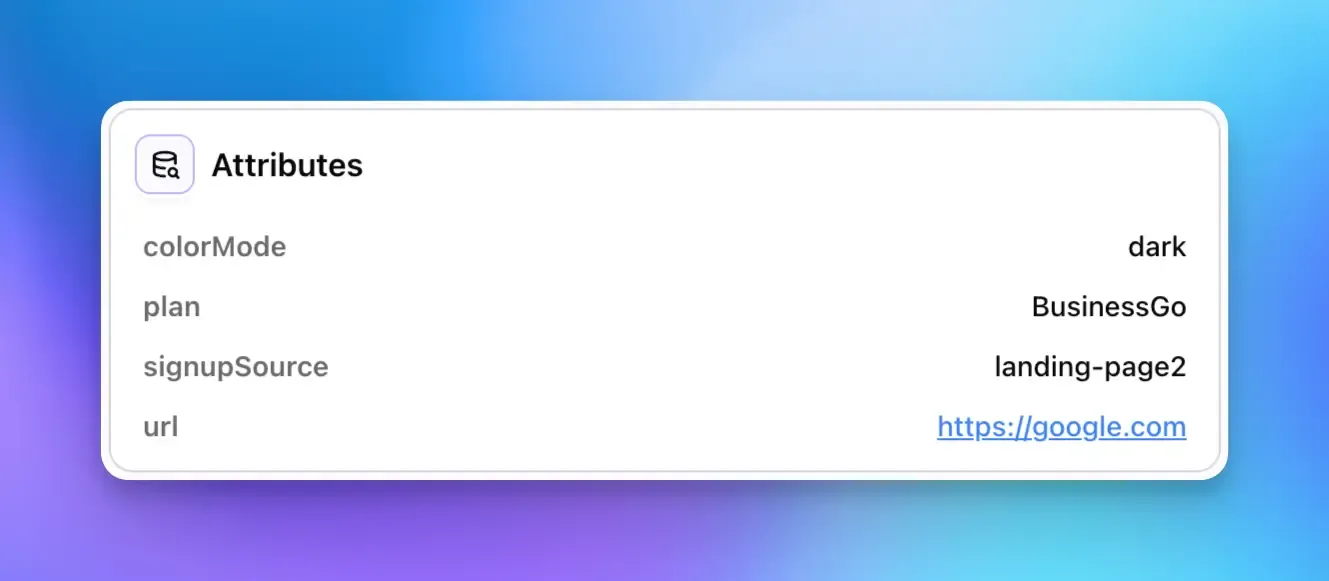
When you store an URL as a value of one of your user attributes, it now gets detected and rendered as a link.
It comes in handy when you e.g. want to quickly navigate to a user’s page in your product from Vemetric.
It’s now possible to view the progress individual Users have made across all the Funnels you’ve created in your project.
When you click on a specific User, you’ll see the progress in a new Card at the bottom of the right panel.
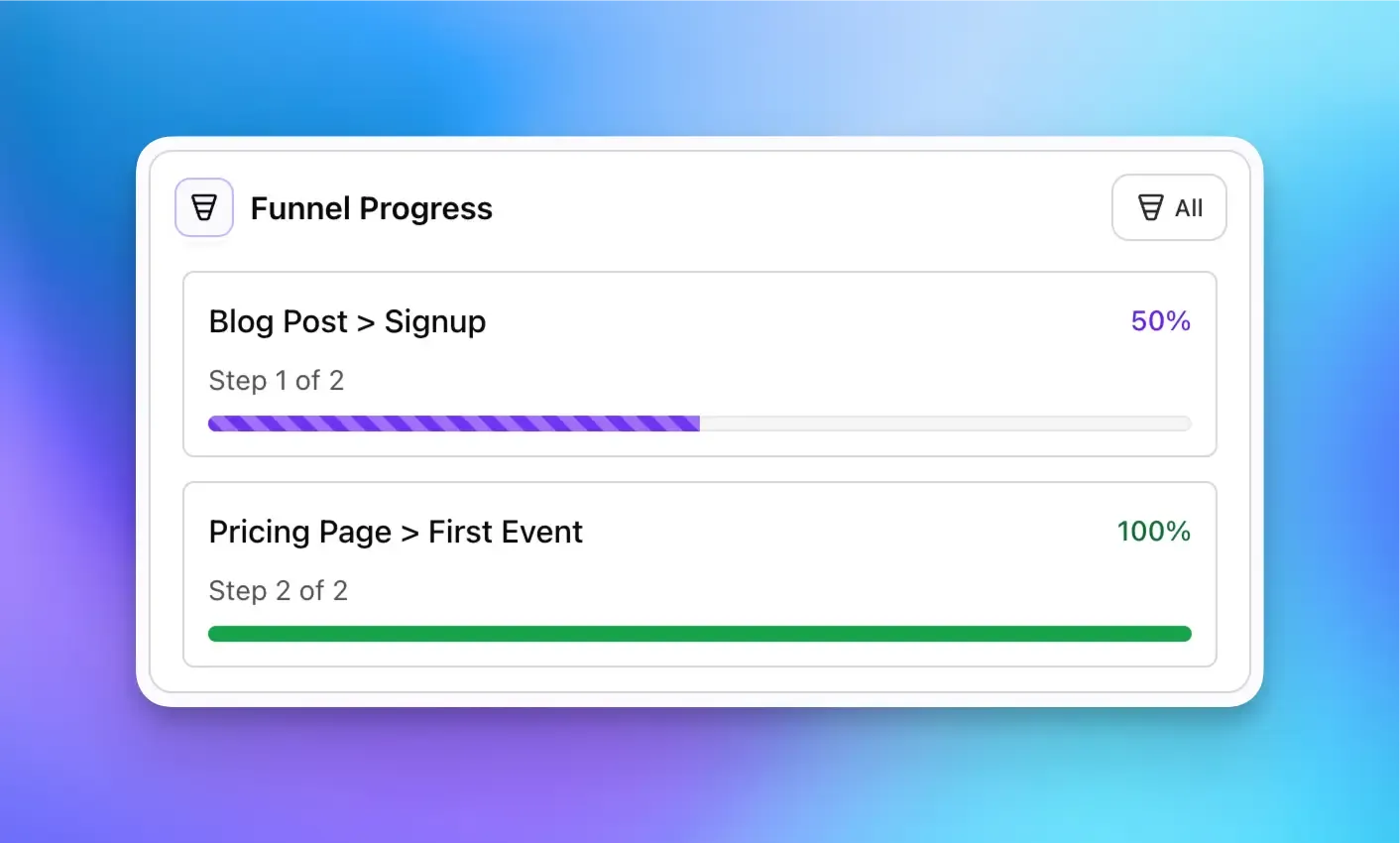
By default you only see the progress of the Funnels the user already started (finished Step 1). Click on the All button to see all available Funnels.
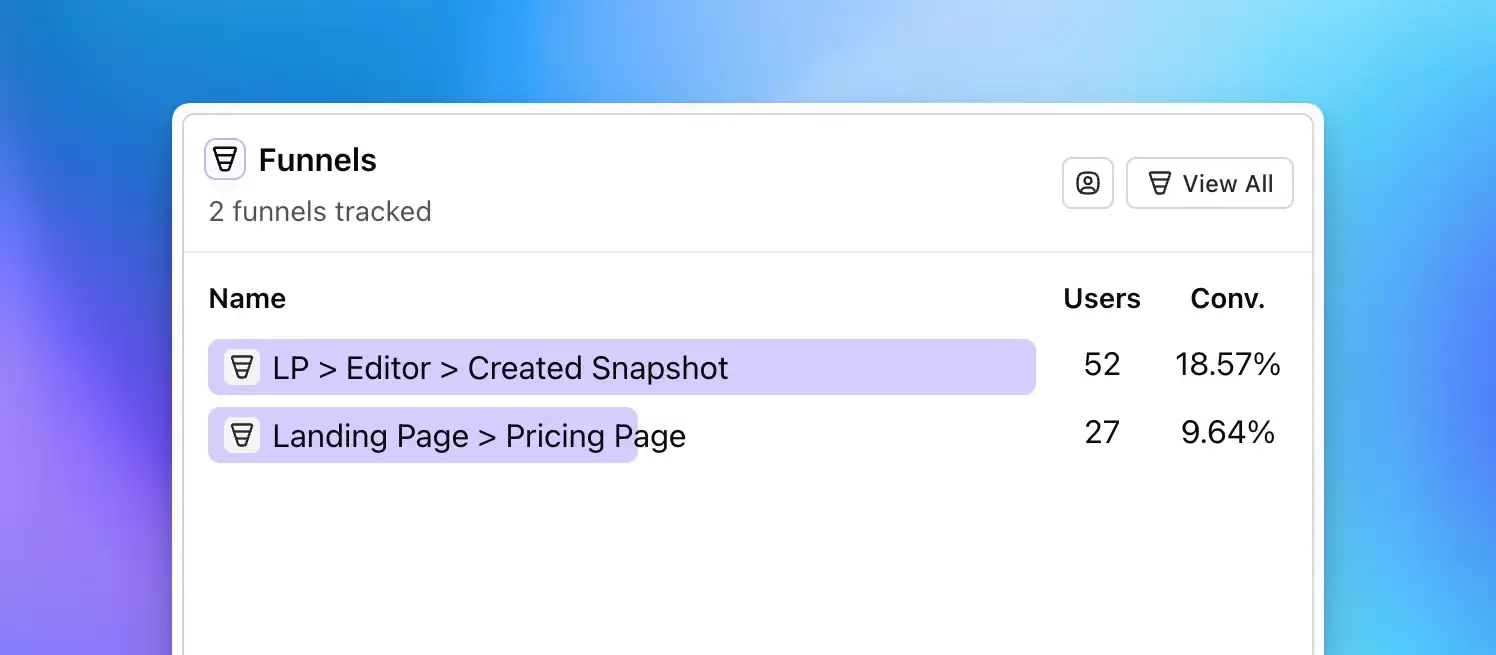
We’ve added a new Funnels card to the Vemetric Dashboard.
Now you can view funnel conversion metrics alongside your other analytics data, all in one place. The funnel data automatically respects any filters you’ve applied to your dashboard.
It’s now possible to filter data by users that have completed a specific Funnel (or a Step of it).
This enables you to analyze behavior patterns of users who successfully convert through your funnels.
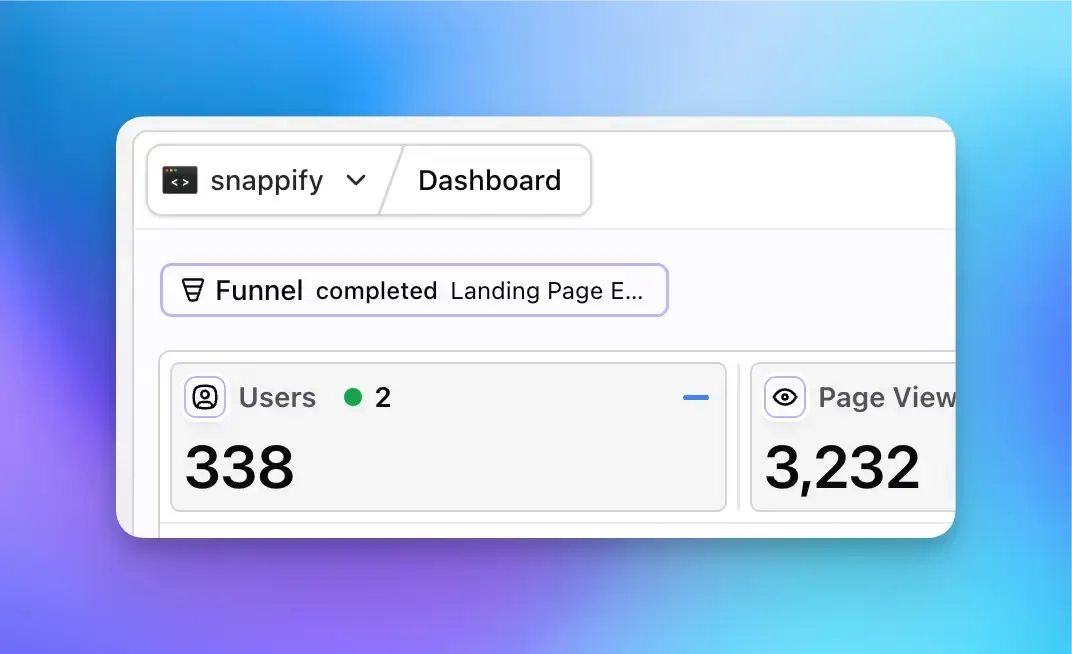
These filters are available on the Dashboard, as well as on the Users page.
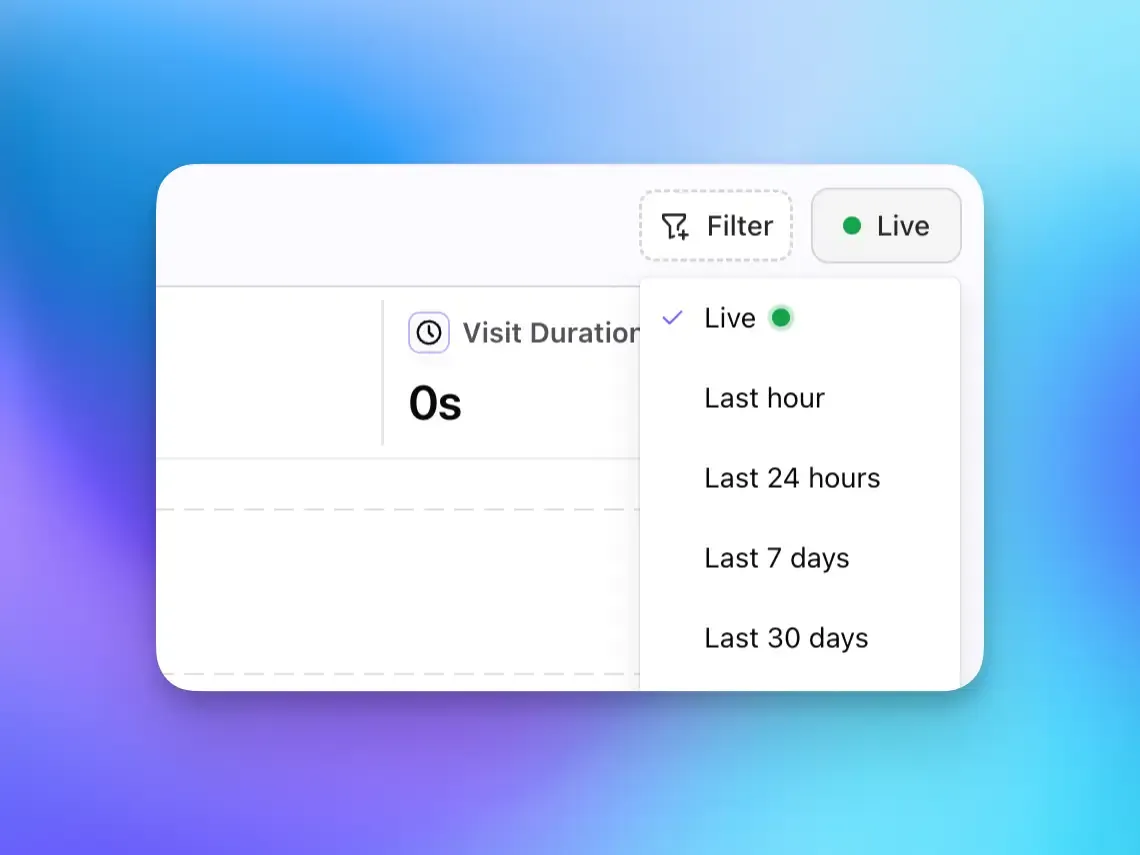
Vemetric’s Dashboard now supports a new Live Mode, allowing you to see events in real-time as they are sent from your application.
It’s now possible to create funnels in Vemetric.
Funnels allow you to track the conversion rate of users through a series of events, helping you understand where users drop off in your process.
Vemetric is now also an official Analytics provider for the TurboStarter boilerplate.
TurboStarter makes it easy to ship your next web app, mobile app or browser extension. And now they also offer easy support to integrate Vemetric for your analytics.
Since today, Vemetric is an official Analytics provider for the supastarter Next.js boilerplate.
supastarter makes it easy to ship your next project with a ready-to-use SaaS boilerplate. And now they also offer easy support to integrate Vemetric for your analytics.
I’ve now setup a Discord server for Vemetric. Feel free to join it here.
We’ll use it for announcements, general discussions, and casual chats in our community. 😄
Vemetric is now available as a Progressive Web App (PWA). This gives you a better experience on mobile devices and allows you to install the app on your home screen.
With that said, I also made the decision to provide a native app for Vemetric in the future. This will deliver an even better experience to check your analytics on the go. With specific Widgets and other exclusive features.
Stay tuned for more updates on that topic!
It’s now possible to set custom icons for events. This makes it easier to identify different events throughout your project.
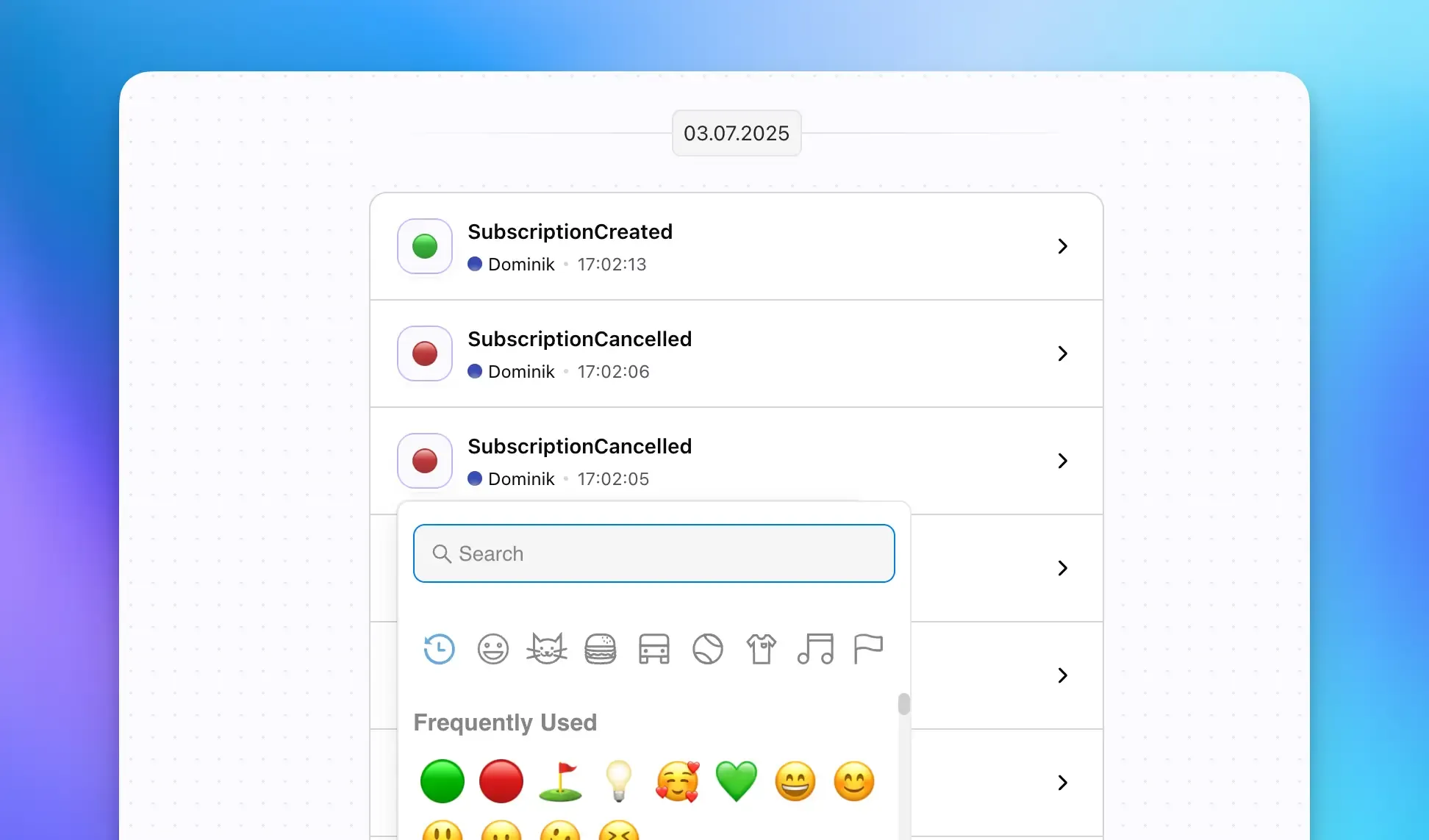
You can remove a custom icon by right-clicking on the event icon.
You can now find a “View users” button on every Bar Chart on the dashboard.
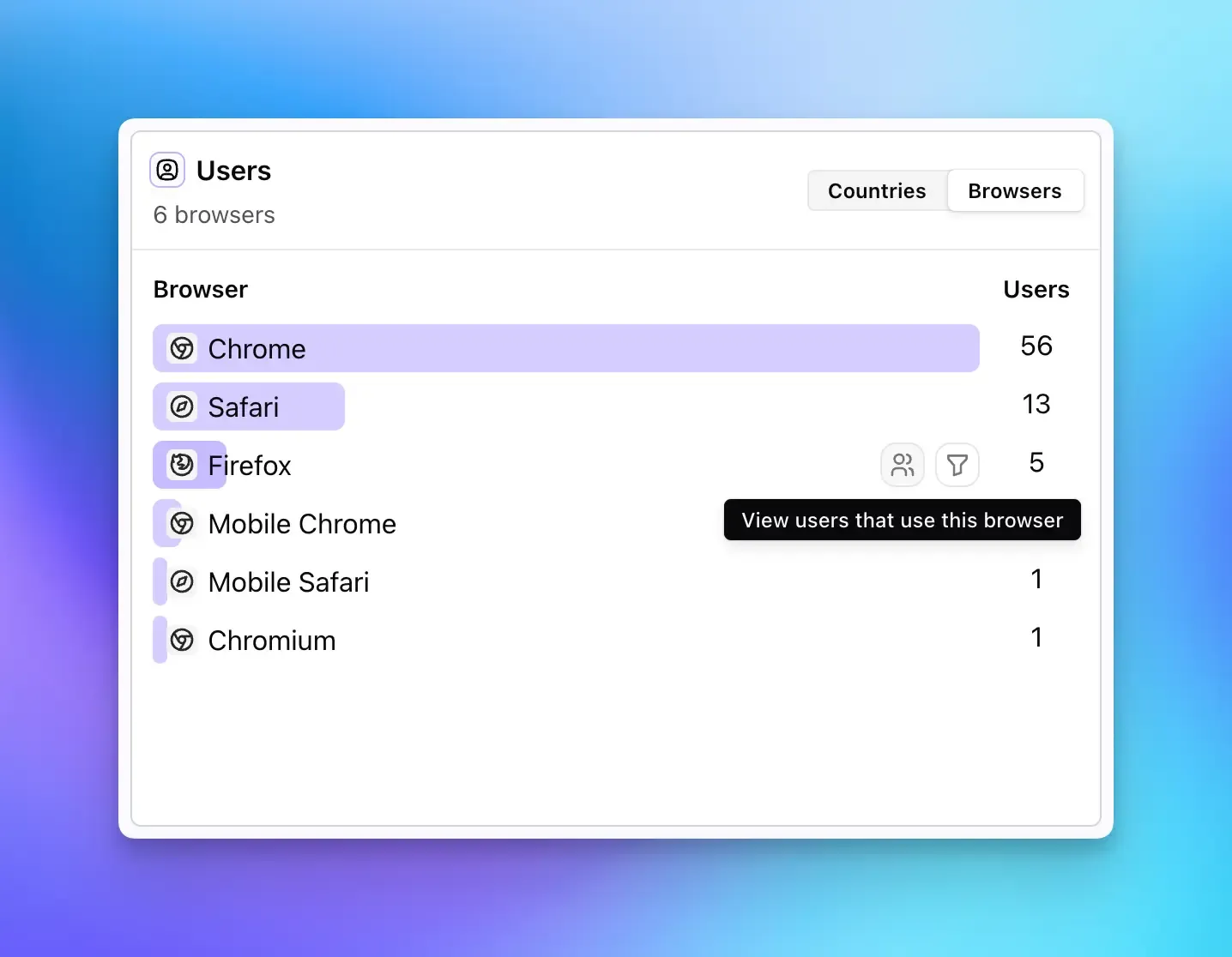
This makes it super easy to see users that have viewed a specific page, coming from a specific source, using a specific browser, etc.
Integrate and get valuable insights with Vemetric in minutes.
Start tracking