How Caperity Tripled Click-Through Rates With Simple Event Tracking
"With Vemetric we finally have a straightforward way to see how people use the product and keep improving it."

Founder
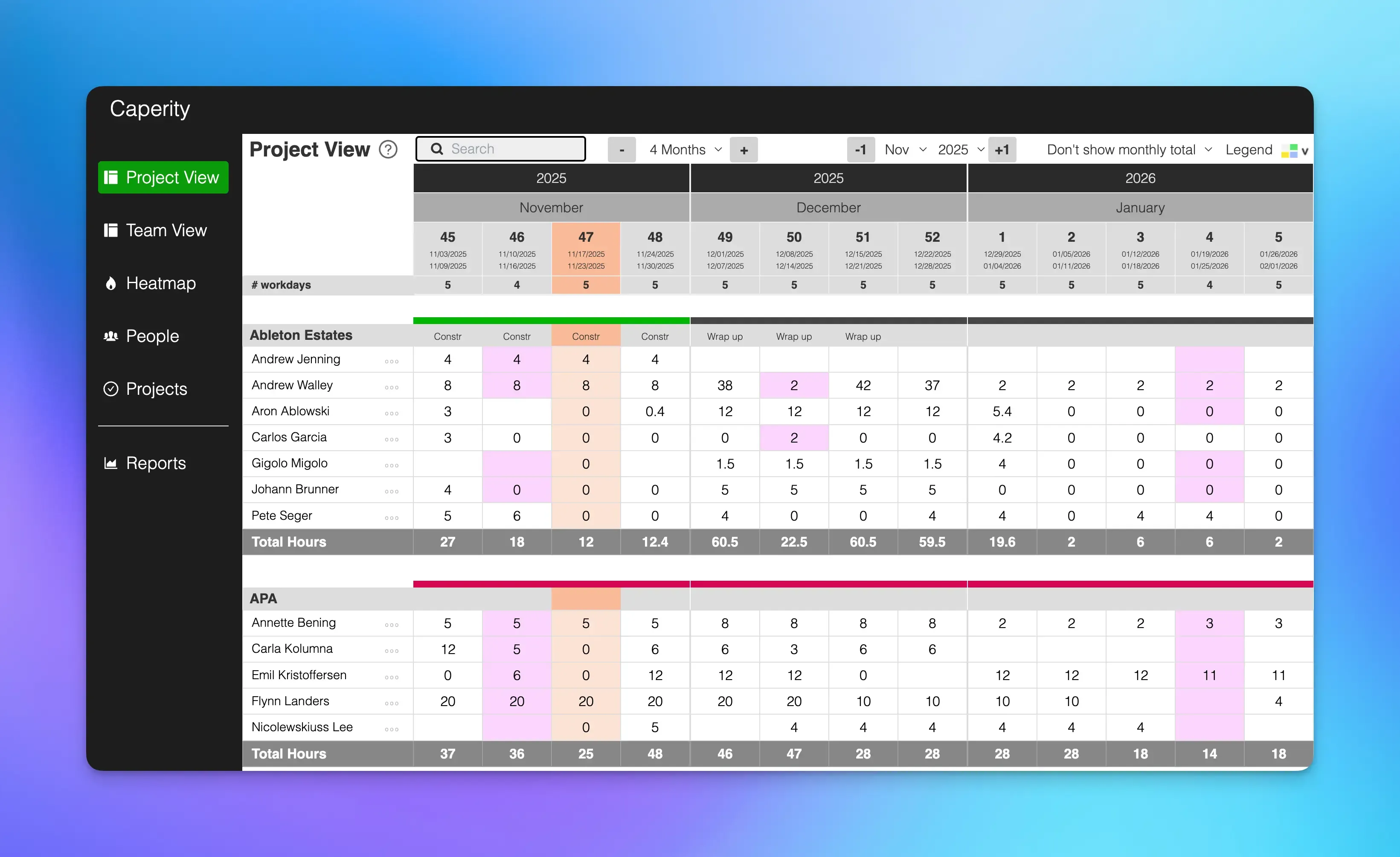
Caperity is a lightweight resource-planning SaaS for project-driven teams. Creative agencies, consulting firms, and engineering managers use it to allocate hours across projects without the complexity of traditional project management tools.
Founded by Adrian Neumeyer, a project manager with over 10 years of experience, Caperity was born from firsthand frustration with existing tools that were either too complex or didn’t match how teams actually work.
The Analytics Challenge
With a high-traffic blog, a popular YouTube channel, and a growing LinkedIn presence, Caperity had plenty of channels to promote their product. But which ones actually drove signups?
The team initially turned to Google Analytics. They hired a freelancer to set up event tracking for their promotional elements: website popups, inline campaigns, text links, and YouTube video descriptions. But the tool quickly became a source of frustration.
Event tracking repeatedly broke, the interface was difficult for non-experts, and consulting costs pushed past $2,000. Over time, the team stopped testing, which was exactly the opposite of what they needed.
Switching to Vemetric
After discovering Vemetric, the team immediately noticed the difference. Setup was straightforward, and tracking started working right away.
So let’s dive into how Caperity uses Vemetric to optimize their marketing efforts.
Custom Event Tracking
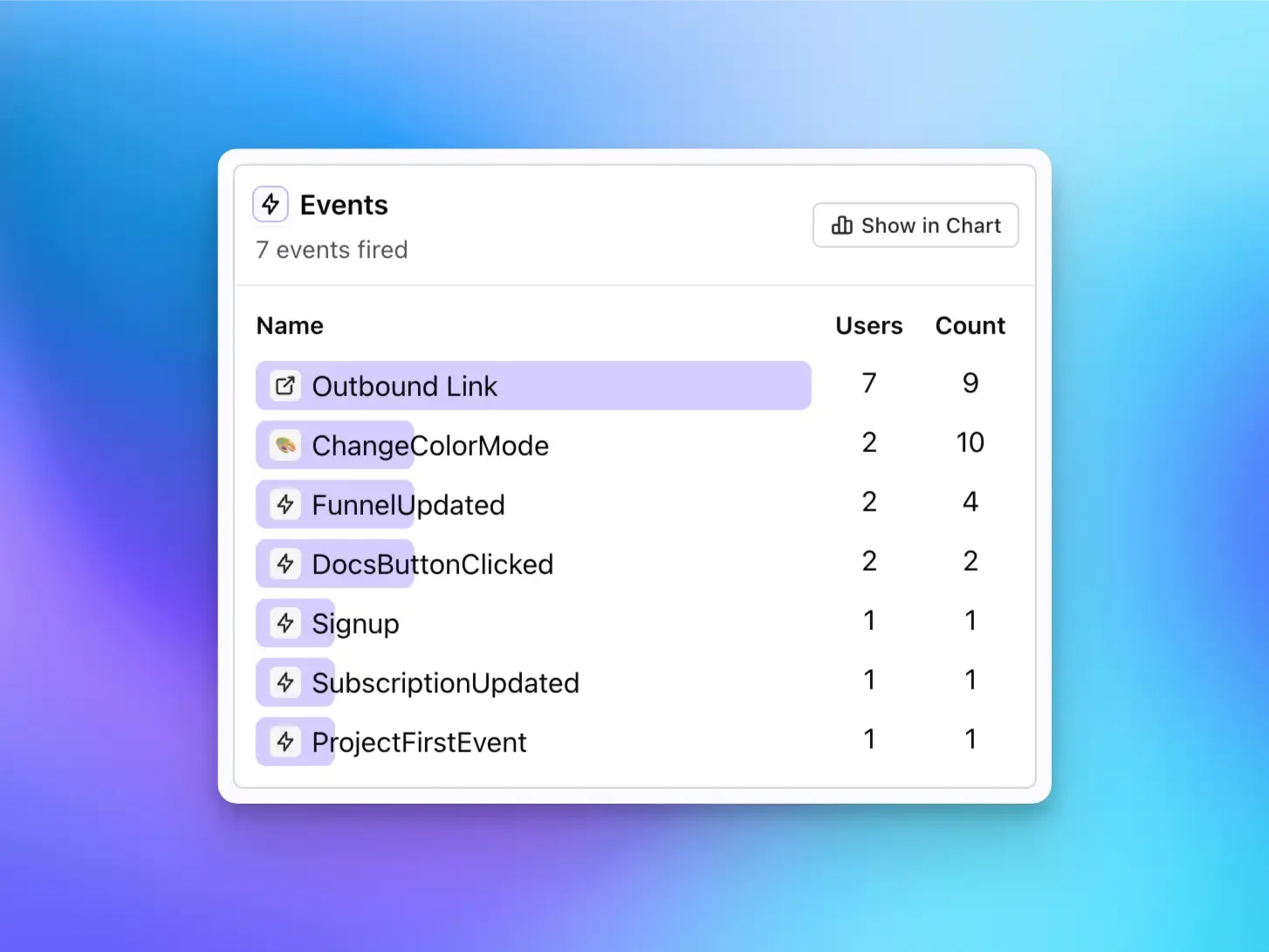
The backbone of Caperity’s analytics is Vemetric’s custom event tracking. It quickly became a favorite feature thanks to its simple setup: add a small parameter to any button or link, and every click shows up instantly in the dashboard.
The team developed a naming convention for their custom events that captures the source channel, campaign type, and page where the event was triggered. This structure makes it easy to compare performance across different promotional placements.
In two-week cycles, they test different versions of their promotional elements like headlines, images, and sales copy — to see which converts best.
One insight stood out early: real photos outperform polished screenshots. When they use a shot of their own MacBook with Caperity open, messy cabling in the background, they get noticeably more clicks than with high-res product images. In a time of AI-generated content, unpolished, human-made visuals build more trust. That insight helped the team triple click-through rates on their popups.
Funnel Tracking
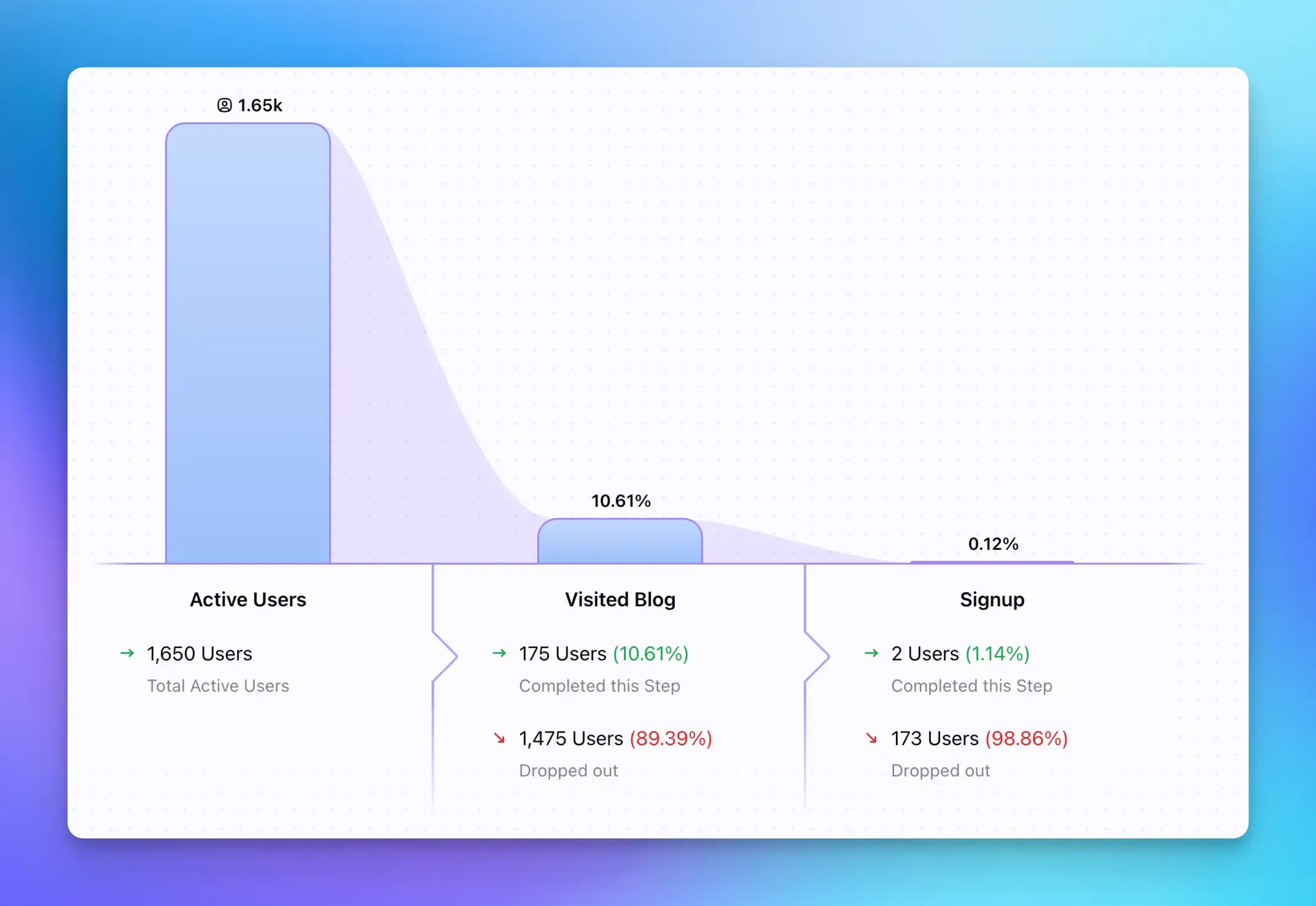
The Caperity team also relies on Vemetric Funnels to track how visitors move through key steps on their site. Funnels break a journey into stages and show where users continue or drop off, making it easy to understand conversion performance without complex analysis.
Their main focus is the landing-page conversion path: visitor arrives on the product page, clicks through to pricing, and signs up for a 14-day trial. Vemetric tracks this with a mix of frontend and backend events.
On the backend, Caperity uses Node.js with Paddle for payment processing. When a new user starts a trial, Paddle triggers a SubscriptionTrialing event, which Caperity forwards to Vemetric via the official Node.js SDK, completing the funnel and giving the team reliable conversion data.
Documentation That Saves Time
Beyond the features, the team appreciates the documentation. As founder Adrian Neumeyer puts it:
“We love how straightforward the documentation is. Whenever we need to set something up, we just open the right section and it’s explained in plain, simple language.
The time we save on configuration goes straight into improving our campaigns and running more tests — and that’s exactly the position I always wanted us to be in.”
Moving Into Product Analytics
Looking ahead, the Caperity team plans to expand their use of Vemetric from web analytics into product analytics, tracking how users interact with the app itself.
Early on, the team focused on building features. But user conversations revealed something important: parts of the app weren’t as intuitive as they’d assumed. Users were overlooking features that already existed. And since customers rarely reach out when they can’t find what they need, they simply cancel, this was a serious problem.
For example, managers can track absences, visualize project phases, or export data to Excel. But if users aren’t aware of these features, they may think the product is incomplete and move on.
With product analytics in Vemetric, the team will see whether users actually engage with these features, and whether they need to communicate them better.
Looking Ahead
Adrian remains grounded about what’s next:
“For a SaaS product to really spread, you need to get a lot of things right, especially onboarding and ease of use.
We still have work ahead of us, but with Vemetric we finally have a straightforward way to see how people use the product and keep improving it.”
With better insights and a focused testing rhythm, Caperity is heading into its next chapter with momentum.

Caperity
caperity.com
Industry
Project Management SaaS
Location
Company Size
1-10 employees
Vemetric Plan
Ready to understand your users?
Start tracking